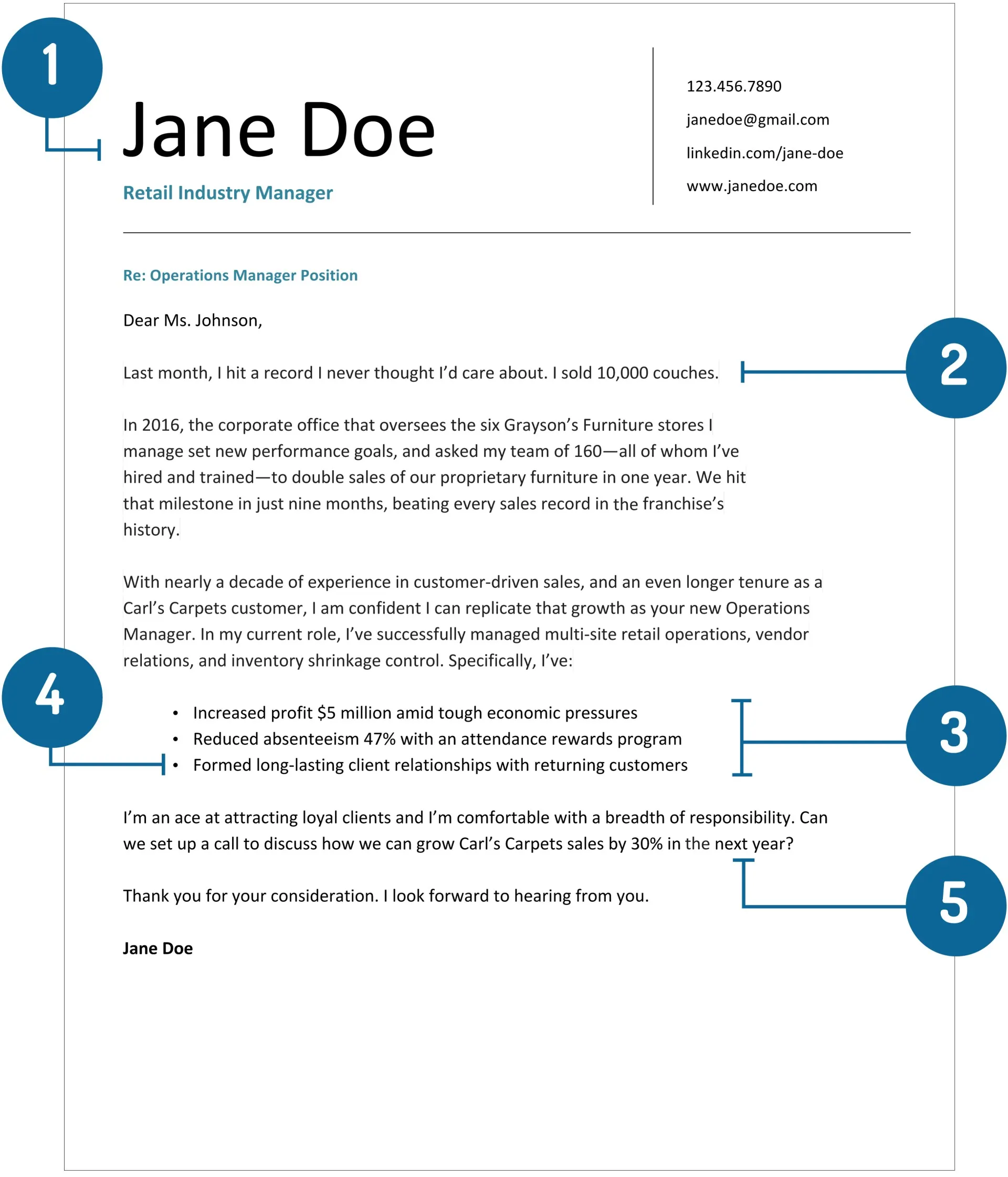
Understanding the Power of a Cover Letter
In the competitive landscape of job applications, a cover letter serves as your personal introduction, a chance to go beyond the constraints of a resume. It’s where you demonstrate your personality, enthusiasm, and the unique value you bring to a potential employer. Think of it as the first handshake, the initial impression that can set the tone for your entire application. A well-crafted cover letter can significantly increase your chances of securing an interview, while a generic one might land your application in the rejection pile. The power of a cover letter lies in its ability to tell a story, showcasing not just what you’ve done, but who you are and why you’re the perfect fit for the role and the company.
Why Cover Letters Matter
Cover letters matter because they offer a space for personalization. They allow you to connect with the hiring manager on a more human level. In a world increasingly reliant on automated applicant tracking systems, a cover letter can be the differentiating factor that gets your application noticed. It provides context to your resume, allowing you to explain gaps in employment, career transitions, or any other unique circumstances. Moreover, a strong cover letter proves your writing skills, attention to detail, and genuine interest in the position. It’s your chance to stand out from the crowd and leave a lasting positive impression. Without a strong cover letter, you risk appearing like any other applicant.
The Role of a Cover Letter in Today’s Job Market

Even in a digital age, cover letters remain crucial. They showcase your ability to communicate effectively, which is essential in nearly every role. They also allow you to address the specific requirements of the job description directly. By tailoring your letter to the role and company, you demonstrate a genuine interest that generic applications often lack. Moreover, cover letters help you highlight your most relevant skills and experiences, making it easy for hiring managers to see the value you bring. In today’s competitive market, a well-written cover letter can make all the difference in securing an interview and ultimately, landing your dream job. It helps make a case for your candidacy, providing context and demonstrating that you’ve done your research on the role and the company.
Forbes Cover Letter Secrets Top 7 Revealed
Secret 1: Highlight Relevant Skills
One of the most important cover letter tips is to identify the skills that the employer is looking for and highlight them. This means carefully reviewing the job description and pinpointing the key skills, both hard and soft, that the employer values. Then, demonstrate how you have used these skills in previous roles, providing concrete examples of your accomplishments. Show the hiring manager that your skills align directly with the job requirements. Avoid simply listing your skills; instead, weave them into your narrative, showing how you’ve used them to achieve results. This makes your application more compelling and positions you as a strong candidate.
How to Identify Key Skills

Begin by thoroughly analyzing the job description. Look for keywords and phrases that repeatedly appear, as these often highlight the skills and qualities the employer prioritizes. Make a list of these key skills. Then, assess your own skill set and identify the ones that align with the job requirements. Consider both technical skills and soft skills, such as communication, teamwork, and problem-solving. It’s also wise to research the company and industry to understand what skills are currently in demand. This targeted approach ensures you highlight the most relevant skills, making your cover letter more impactful. If your skill matches the job description, you have high chances of getting the job.
Showcasing Skills with Action Verbs
When describing your skills, use strong action verbs to bring your accomplishments to life. Instead of saying “responsible for project management,” write “managed projects,” “led project teams,” or “delivered projects.” Action verbs add energy and make your accomplishments more memorable. Some action words are: achieved, created, developed, implemented, improved, and managed. They show the hiring manager what you’ve done and the impact you’ve made. This makes it easier for the hiring manager to see the value that you can bring to the role and demonstrates your ability to get things done. This is a good point to grab the attention of the hiring manager.
Secret 2: Tailor Your Letter
Generic cover letters are easily spotted and often discarded. To make your application stand out, personalize your cover letter to each job you apply for. This means customizing the content to match the specific requirements and values of the company. Do your research and show that you understand the company’s mission, values, and recent achievements. This shows your genuine interest in the role. A tailored cover letter demonstrates to the employer that you’ve invested the time and effort into understanding their needs, increasing your chances of securing an interview.
Researching the Company

Before writing your cover letter, research the company. Visit their website, read their “About Us” section, and explore their social media profiles. Look for information about their products or services, company culture, recent news, and any values that are important to them. Understand their target audience and their market position. This research will allow you to tailor your letter, showing that you understand the company and its needs. It also helps you to write about why you’re interested in the company. The aim is to demonstrate to the hiring manager that you’ve taken the initiative to understand the company.
Personalizing Your Letter
Once you’ve researched the company, it’s time to personalize your cover letter. Address the letter to the hiring manager by name if possible. Refer to specific aspects of the job description and explain how your skills and experience align with their needs. Mention any specific projects or initiatives that resonate with you. Explain why you’re interested in the company and the role. Avoid generic phrases and instead, use language that reflects your genuine interest. If you’ve had interactions with the company (e.g., attended an event), mention them. This personal touch makes a significant difference.
Secret 3: Show, Don’t Tell
Instead of simply stating your abilities, use concrete examples to illustrate them. Rather than writing “I am a good communicator,” provide a specific instance where you successfully communicated in a work setting. This approach makes your cover letter more compelling and memorable. Concrete examples demonstrate your skills in action, proving your capabilities. For instance, if the job requires leadership, describe a situation where you took charge and led a team to achieve a specific goal. This helps the hiring manager understand your experience and impact. Focus on what you have done instead of what you are.
Using the STAR Method

The STAR method (Situation, Task, Action, Result) is a powerful way to structure your examples. Start by describing the situation, the context of the example. Then, explain the task you were assigned or the challenge you faced. Next, detail the action you took, specifying what you did. Finally, explain the result, what you achieved as a result of your actions. This structured approach makes your examples clear, concise, and impactful. It allows the hiring manager to easily understand your skills and contributions. This format is very effective for showcasing your experiences.
Providing Specific Examples
Whenever possible, provide specific examples in your cover letter. Instead of writing “improved sales,” write “increased sales by 15% within six months.” Use numbers, metrics, and specific details to quantify your achievements. This makes your accomplishments more credible and demonstrates your impact. For instance, if you mention a project, provide details about your role, the project’s objectives, and the results. The more specific you are, the more compelling your cover letter becomes. By using details and metrics, you can provide proof that you’re a valuable asset.
Secret 4: Keep it Concise
Hiring managers are busy, so keep your cover letter concise and easy to read. Aim for a length of no more than one page, divided into short paragraphs. Use clear and straightforward language. Avoid jargon or overly complex sentences. Focus on conveying the most important information in a clear and compelling way. A concise cover letter respects the reader’s time and ensures they focus on the key points of your application.
The Ideal Length

The ideal length for a cover letter is typically one page. This allows you to provide sufficient information without overwhelming the reader. If possible, aim for three to four short paragraphs, each focusing on a specific aspect of your qualifications and interest. It’s better to be concise and impactful than to ramble on. The purpose of the cover letter is to encourage the hiring manager to read your resume. Make every word count and provide a strong overview of who you are and what you bring to the table.
Avoiding Redundancy
Avoid repeating information that is already included in your resume. Use your cover letter to expand on key achievements and provide additional context. Don’t rehash your resume verbatim. Instead, highlight different aspects of your qualifications and show how your experience relates to the specific job requirements. Vary your word choice and avoid repetitive language. Every sentence should serve a purpose and contribute to the overall message.
Secret 5: Perfect Your Formatting
Formatting plays a crucial role in the readability and professionalism of your cover letter. Choose a professional font, use clear headings and bullet points. Pay attention to spacing and margins. A well-formatted cover letter is easier to read and demonstrates your attention to detail, which is a very important skill. Consistent formatting makes your letter look professional and appealing. Poor formatting can create a negative first impression.
Choosing the Right Font

Select a professional and readable font, such as Times New Roman, Arial, Calibri, or Helvetica. Keep the font size between 10 and 12 points. Avoid using decorative or overly stylized fonts, as they can be distracting and difficult to read. Ensure that your font is consistent throughout the document. This will make your cover letter easier to read and convey a sense of professionalism. A good font will demonstrate your attention to detail, which is important.
Formatting Tips for Readability
Use clear headings and subheadings to break up the text and guide the reader. Keep paragraphs short and concise, with clear topic sentences. Use bullet points to highlight key skills and accomplishments, making them easy to scan. Use adequate spacing between paragraphs and margins of at least one inch on all sides. All of these formatting choices will make your cover letter more readable and professional. Proper formatting is critical to ensure your cover letter can be easily read and understood.
Secret 6: Proofread Meticulously
Typos, grammatical errors, and incorrect punctuation can undermine your credibility and damage your chances of getting hired. Proofread your cover letter multiple times, looking for any mistakes. Read your cover letter aloud to catch errors you might miss when reading silently. Always have someone else review your cover letter. This will provide a fresh perspective and help identify any errors you may have missed. A polished cover letter showcases your professionalism and attention to detail.
The Importance of Accuracy
Accuracy is essential in a cover letter. Errors can create a negative impression and suggest a lack of attention to detail. They can also raise questions about your overall professionalism. Even a single mistake can lead a hiring manager to question your competence and suitability for the role. Proofreading your cover letter meticulously ensures your message is clear and error-free, reflecting positively on your skills. It can improve your chances of getting an interview.
Tools for Proofreading
Use various tools to help with proofreading. Start with the spell-check and grammar-check features in your word processor. Use a grammar checker such as Grammarly or ProWritingAid for more comprehensive analysis. Read your cover letter aloud to catch any awkward phrasing or inconsistencies. Ask a trusted friend, family member, or career counselor to review your cover letter for errors. The more thorough your proofreading process, the more polished and professional your cover letter will be.
Secret 7: Follow Up Strategically
After submitting your cover letter and resume, a strategic follow-up can demonstrate your interest in the position. However, don’t follow up too soon, as this can appear impatient. Waiting for a reasonable timeframe after submitting your application is important. A follow-up can re-emphasize your interest and showcase your professional persistence. This can help you stand out. A well-timed follow-up can increase the likelihood of your application getting noticed.
Timing Your Follow-Up
The appropriate time to follow up varies, but generally, wait one to two weeks after submitting your application. If the job posting specifies a deadline, wait until after that deadline to follow up. If you haven’t heard back within this timeframe, it’s acceptable to send a brief email or make a phone call. Check the job posting to ensure that the company has a policy on following up, and always respect the employer’s preferences. Following up at the right time is good. Give the hiring team time to review the applications, but do not take too long.
What to Include in a Follow-Up
Keep your follow-up brief and to the point. Reiterate your interest in the position. Refer to the job description and highlight your key qualifications. Thank the hiring manager for their time and consideration. In your email, you might add a specific, relevant accomplishment. If you haven’t heard back, ask if they need any further information from you. Do not be pushy. A concise, professional follow-up can increase your chances of getting an interview. It is important to re-emphasize your interest in the role and the value you bring to the company.
Conclusion: Applying Forbes Cover Letter Secrets
By following these Forbes cover letter tips, you can significantly improve your job application. Remember, your cover letter is your chance to make a strong first impression, so make sure it highlights your skills, experience, and enthusiasm. Tailor each letter to the specific job, and provide concrete examples to demonstrate your abilities. Proofread your cover letter meticulously and always follow up appropriately. Your resume and cover letter are your marketing materials. The goal is to get an interview. With these strategies, you can create a compelling cover letter that sets you apart from other candidates and gets you closer to your dream job. Good luck!