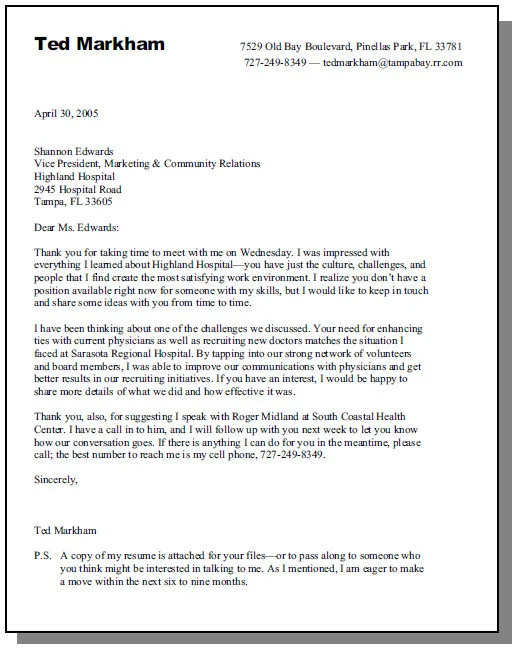
Crafting a Compelling Cover Letter
A cover letter is more than just a formality; it’s your first impression, your personal introduction to a potential employer. It’s your opportunity to showcase your personality, passion, and the unique value you bring to the table. A well-crafted cover letter can significantly increase your chances of landing an interview, making it a crucial part of your job application process. It should be seen as a marketing tool, an advertisement for your skills and experience, designed to persuade the reader to delve deeper into your resume and consider you for the role. Failing to create a compelling cover letter might result on your application not being considered, meaning all your efforts on resume are in vain.
Understanding the Purpose of a Cover Letter
The primary purpose of a cover letter is to introduce yourself to the hiring manager and express your interest in a specific job. However, it serves a much more strategic role than simply stating your interest. It allows you to provide context to your resume, explaining how your skills and experiences align with the job requirements. The cover letter offers a chance to highlight key achievements and demonstrate your understanding of the company’s needs. It’s a chance to showcase your communication skills and express your enthusiasm for the opportunity, making it a crucial element in your job search strategy. Essentially, the cover letter is your advocate, selling your potential to the employer.
Highlighting Your Key Skills and Experience

Your cover letter should be a targeted showcase of your most relevant skills and experiences. Don’t just reiterate your resume; expand on the most important points. Carefully review the job description and identify the key skills and qualifications the employer is seeking. Then, use your cover letter to provide specific examples of how you’ve demonstrated these skills in previous roles or projects. Focus on quantifiable achievements whenever possible, using numbers and data to illustrate your impact. For instance, instead of saying you improved customer satisfaction, state that you increased it by a certain percentage. This approach not only makes your application more compelling but also demonstrates your attention to detail and your ability to deliver results, making you stand out from other applicants. Consider your key soft and hard skills.
Tailoring Your Cover Letter to the Job
Generic cover letters are easily recognizable and often discarded. To truly impress, tailor each cover letter to the specific job and company you’re applying to. Research the company thoroughly – understand its mission, values, and recent accomplishments. Demonstrate that you understand the company’s needs and how your skills can contribute to its success. Reference specific projects, initiatives, or challenges that resonate with the job description. Use keywords from the job posting to show that you’re a good fit. Personalization shows you’ve taken the time to understand the opportunity and are genuinely interested in the role. This level of attention to detail will make a positive impression on the hiring manager and increase your chances of getting an interview.
Secret 2 Writing a Strong Opening
Grabbing the Reader’s Attention from the Start

The opening of your cover letter is critical; it’s your chance to immediately capture the reader’s attention. Avoid generic phrases like ‘I am writing to express my interest.’ Instead, start with a compelling hook. Consider highlighting a key achievement, mentioning a mutual connection, or expressing your genuine enthusiasm for the company or role. The goal is to make the reader want to learn more. Your opening paragraph should be concise, engaging, and directly relevant to the job. You want to immediately demonstrate your understanding of the company’s needs and how your skills and experience align with the position. Remember, the opening sets the tone for the entire letter, so make it count. Try to use the name of the hiring manager instead of general greetings.
Secret 3 Show, Don’t Tell
Using Action Verbs to Showcase Accomplishments
Instead of simply stating your responsibilities, use action verbs to showcase your accomplishments. Action verbs bring your experiences to life and make your accomplishments more impactful. Start each bullet point or sentence describing your achievements with a strong verb like ‘managed,’ ‘developed,’ ‘implemented,’ ’led,’ ‘achieved,’ or ‘increased.’ This technique paints a vivid picture of your contributions and demonstrates your ability to deliver results. Action verbs also help to quantify your accomplishments, making them more persuasive. They showcase the impact of your work and position you as a proactive, results-oriented candidate, which is what employers look for. Make sure that your achievements are easy to read and understand.
Providing Specific Examples and Quantifiable Results

Provide specific examples to support your claims. Avoid vague statements; instead, provide concrete evidence of your successes. Quantify your achievements whenever possible. Use numbers, percentages, and data to demonstrate the impact of your work. For instance, instead of saying you improved sales, state that you increased sales by 15% in one quarter. Such examples showcase your accomplishments and demonstrate your ability to deliver tangible results. These specifics provide credible evidence of your skills and make your application more convincing. This approach helps the hiring manager understand the direct value you can bring to the company, increasing your chances of securing an interview and, ultimately, the job offer.
Secret 4 Formatting Matters
Choosing the Right Font and Font Size
The formatting of your cover letter speaks volumes about your professionalism and attention to detail. Start with a clear, easy-to-read font, such as Times New Roman, Arial, or Calibri. Choose a font size between 10 and 12 points to ensure readability. Avoid using overly decorative or unusual fonts that can distract the reader. The goal is to create a clean and professional look that makes it easy for the hiring manager to read and understand your letter. The right font and size enhance readability and make a positive impression on the hiring manager. Poor formatting makes a cover letter look unprofessional and may make a recruiter disregard it immediately.
Ensuring Proper Spacing and Readability

Proper spacing and readability are essential for making your cover letter easy to read and visually appealing. Use single-spacing within paragraphs and double-spacing between paragraphs. This creates enough white space to avoid overwhelming the reader. Use clear headings and bullet points to break up large blocks of text and make key information stand out. Maintain consistent margins and alignment throughout the document. A well-formatted cover letter shows that you pay attention to detail and respect the reader’s time. It presents your qualifications in a clean, organized manner, making it more likely that the hiring manager will focus on your skills and experience instead of being distracted by formatting issues.
Secret 5 Proofread, Proofread, Proofread
Checking for Grammar and Spelling Errors
Proofreading is crucial for ensuring that your cover letter is polished and professional. Carefully check for any grammar and spelling errors. These errors can create a negative impression and undermine your credibility. Use a spell checker and grammar checker, but don’t rely on them completely. Read your letter aloud to catch any awkward phrasing or errors that might be missed by software. It’s also beneficial to have a friend or colleague proofread your letter for a fresh perspective. The presence of any errors can make your application discarded, even if you are an ideal candidate. Take time to review your writing before applying for a job.
Ensuring Clarity and Conciseness

Clarity and conciseness are key to a successful cover letter. Keep your writing clear, direct, and to the point. Avoid using overly complex language or jargon that might confuse the reader. Every sentence should serve a purpose and contribute to your overall message. Condense your thoughts and present your qualifications effectively without unnecessary fluff. A concise cover letter shows that you respect the reader’s time and that you can communicate clearly and effectively. Ensure that your writing is straightforward and easy to understand, as it highlights your qualifications and makes a positive impression on the hiring manager. Get your point across in the shortest possible way without losing important information.
Secret 6 Closing with Confidence
Expressing Enthusiasm for the Opportunity
Your closing paragraph should leave a strong, positive impression. Reiterate your interest in the role and express your enthusiasm for the opportunity. This is your final chance to sell yourself, so make sure your excitement shines through. Briefly summarize your key qualifications and reiterate why you’re a great fit for the position. End with a confident statement about your availability for an interview and your eagerness to discuss your application further. A confident and enthusiastic closing will leave the reader with a positive lasting impression, significantly increasing your chances of getting an interview. It reinforces your qualifications and conveys your genuine interest in the role.
Providing Contact Information

Always provide your contact information in your cover letter. This typically includes your phone number, email address, and potentially your LinkedIn profile URL. Make it easy for the hiring manager to reach you. Ensure that your contact information is accurate and up to date. Consider including your professional online portfolio or website if applicable. Providing all relevant contact details assures that the hiring manager can contact you quickly and easily. Make it as easy as possible for employers to get in touch with you. Make sure your voicemail is set up correctly. And also, be sure to check your email regularly.
Secret 7 No Recipient
Addressing the Cover Letter Properly
In a perfect world, you’d address your cover letter to a specific person. However, there are times when you may not know the hiring manager’s name or have a point of contact. When you don’t have a name, you have a few options. You could use a general greeting, such as “Dear Hiring Manager,” or “Dear [Company Name] Team.” Make sure to research the company and find out if they have a specific contact for job applications. Alternatively, you can use a more general greeting, like “To Whom It May Concern.” However, ensure that whatever greeting you choose fits the company’s culture. You can also try to find the name of the hiring manager on LinkedIn. It shows that you have taken the time to learn about them.
Why No Recipient is the best option
Sometimes, despite your best efforts, you cannot find the name of the hiring manager. In this case, it’s acceptable to address your cover letter more generally. Using “Dear Hiring Manager” or similar greetings shows that you’ve made an effort to address your cover letter to the right person, even if you don’t have a specific name. When you don’t have a name, a general greeting is better than using an incorrect name. It will show that you did your research, but you weren’t able to find the information, which makes the application better. Always try to find a name, as it shows that you have taken the time to research the company and personalize your application.